
Best Things to Do in Munich During Oktoberfest
The best things to do in Munich during Oktoberfest include visiting the festival grounds, exploring Munich Old Town, seeing the city’s historic landmarks, relaxing in a beer garden, taking a guided tour, and planning a quieter activity away from the crowds. Oktoberfest admission is free, but beer, food, rides, reserved tables, and many tours cost extra.
Oktoberfest usually runs for about 16 to 18 days from late September into early October. Festival grounds generally open from late morning until around midnight, while individual beer tents have different opening and closing times. Arrive before lunchtime on busy weekends if you want a realistic chance of finding an unreserved seat.
- Best first stop: Theresienwiese, the official Oktoberfest grounds.
- Best free sightseeing: Marienplatz, Frauenkirche, Viktualienmarkt, and the streets of Munich Old Town.
- Best rainy-day options: Deutsches Museum, Munich Residenz, museums, cafés, and covered markets.
- Best way to avoid peak crowds: Explore the city in the morning and visit Oktoberfest on a weekday afternoon.
- What to book ahead: Popular guided tours, brewery experiences, food tours, and activities with limited places.
- What to wear: Comfortable shoes and weatherproof layers; traditional clothing is optional.
For a practical plan, combine one visit to the festival with Old Town sightseeing and one activity outside the tents. This gives you a fuller Munich experience without spending the entire day in the busiest part of Oktoberfest.
Powered by GetYourGuide
Best things to do in Munich during Oktoberfest: FAQ guide
Oktoberfest changes the rhythm of Munich, but the city remains much more than its beer festival. The most enjoyable itinerary usually mixes the festival atmosphere with historic squares, museums, local food, green spaces, and a little time away from Theresienwiese.
1. What is the best first thing to do at Oktoberfest?
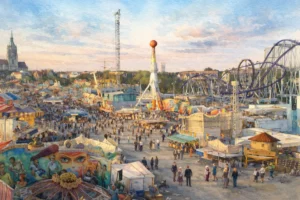
Start by walking around the festival grounds before choosing a tent or ride. Theresienwiese is large, busy, and easy to underestimate, so a short orientation walk helps you understand where the major beer tents, food stands, restrooms, entrances, rides, and quieter edges are located.
Look at the tent exteriors and menus, notice which areas are already crowded, and agree on a meeting point with your group. Mobile reception can become unreliable in dense crowds, and people often separate while looking for seats or food. A distinctive entrance, statue, or nearby station is more useful than saying you will meet “inside the tent.”
Most tents have unreserved areas, but an empty table does not always mean that every seat is available for the entire day. Some tables are reserved for later. Ask a server or staff member before sitting down, and be prepared to share a table politely. The festival grounds do not normally require an admission ticket, although food, drinks, rides, and reserved hospitality are charged separately.
Check ticket availability for Munich activities
2. Which Munich Old Town sights are worth visiting during Oktoberfest?
Munich Old Town is the easiest area to combine with Oktoberfest because it is compact, well connected, and full of sights that can be visited without committing to a long excursion. Begin at Marienplatz, the city’s central square, and look up at the New Town Hall’s detailed Gothic Revival façade. The Glockenspiel performance attracts visitors, so arrive early if you want a clear view rather than standing behind a large crowd.
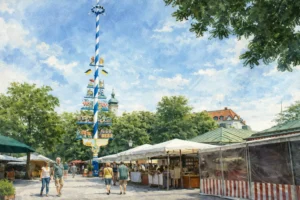
From Marienplatz, walk to Frauenkirche, Munich’s twin-towered cathedral, then continue toward the Residenz or Viktualienmarkt. Viktualienmarkt is useful for a daytime food stop, but it can be crowded during the festival. Allow extra time if you want to browse stalls, and do not assume every stand has seating.
Other worthwhile stops include St. Peter’s Church, the Asam Church, Odeonsplatz, and the Hofgarten. St. Peter’s tower has one of the best central views, but it involves stairs and may have a queue. For a more structured route, see this guide to Munich Old Town during Oktoberfest.
View available guided tour options
3. How can visitors enjoy Oktoberfest without spending the whole day in a beer tent?
Plan Oktoberfest as one part of the day rather than the entire schedule. A practical pattern is to visit Old Town in the morning, have lunch away from the festival, and reach Theresienwiese in the mid-afternoon. Another option is to visit the grounds soon after opening, enjoy a ride or a short walk, then leave before the evening rush.
You can also focus on the non-beer parts of Oktoberfest. The grounds include large amusement rides, traditional food stalls, decorated tent facades, live music, and smaller attractions. Families and visitors who do not drink may prefer the daytime atmosphere, when the festival is generally calmer than on weekend evenings.
If beer is not your priority, choose a food stop, take photographs from the main walkway, and set a clear departure time. Avoid treating every tent as interchangeable: some are especially loud and busy, while others have a more traditional or family-oriented daytime atmosphere. Staff can explain seating and service arrangements when you arrive.
4. What are the best things to do in Munich away from the Oktoberfest crowds?
Munich has several strong alternatives for a quieter day. The Deutsches Museum is a good choice for science, technology, and hands-on exhibits, although it is large enough to require several hours. The Munich Residenz offers a more historic experience with palace rooms, collections, and a central location near Odeonsplatz.
For art, consider the Alte Pinakothek, Neue Pinakothek if open for your dates, Pinakothek der Moderne, or the Lenbachhaus. Museum opening days and special exhibitions can change, so check the current schedule before setting out. If the weather is clear, walk through the English Garden, visit the Eisbach wave, and continue toward the Chinese Tower beer garden. Observe the river area from a safe distance and do not enter fast-moving water.
A slower alternative is to spend an hour at a café, explore the university quarter, or walk through the quieter streets north of the center. These options are particularly useful after a late Oktoberfest evening, when a less crowded morning is more comfortable than another packed attraction.
See current prices and activity dates
5. Are guided tours a good idea during Oktoberfest?
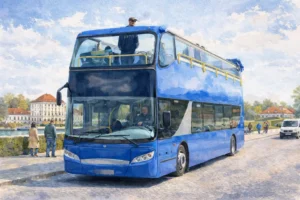
A guided tour can be worthwhile when you want context, local logistics, or a fixed plan during one of Munich’s busiest periods. A city walking tour can explain the history of Marienplatz, the Residenz, churches, markets, and the relationship between Munich’s beer culture and its civic traditions. Food-focused tours can also help visitors understand local dishes without relying only on festival stalls.
Choose the tour type carefully. A short city tour is easier to fit around Oktoberfest than a full-day excursion. A beer-focused experience may involve tastings and age restrictions, while a historical walking tour may be more suitable for families or visitors who do not drink. Check the meeting point, duration, walking distance, cancellation terms, and what is included before booking.
During festival season, allow a generous transfer buffer. A tour that finishes in the center may not end close to the festival entrance, and crowded trains can make a short journey take longer than expected. Arriving ten minutes early is sensible, especially when the meeting point is on a side street or inside a station complex.
6. Can visitors take a bike tour or explore Munich outdoors during Oktoberfest?
Yes, cycling can show you a different side of Munich, particularly along the Isar, through the English Garden, and around quieter residential districts. A guided bike tour is often easier for visitors because the guide handles route planning and can adjust the pace to the group. It also gives you a break from crowded pedestrian areas.
Do not expect every central street to be comfortable for cycling during peak festival hours. Theresienwiese, major station approaches, Marienplatz, and busy shopping streets can be congested. A morning tour or a route that stays mainly in parks and riverside areas is usually more practical. Wear clothing suitable for changing weather and confirm whether the operator provides a helmet.
Visitors who plan to drink should not cycle afterward. Munich’s public transport system is a safer and more convenient way to return from Oktoberfest. You can compare the route and level of activity in this Munich beer garden and bike tour guide.
7. What local food should visitors try in Munich during Oktoberfest?
Traditional Bavarian food is widely available both at Oktoberfest and around the city. Common choices include roast chicken, pork knuckle, sausages, pretzels, potato dishes, obatzda, and hearty dumplings. A Maß is a one-litre beer, so it is much larger than a standard drink; pace yourself and eat before ordering another.
Food in the festival tents is convenient but can be expensive, especially for large portions or popular specialties. Restaurants, bakeries, markets, and department-store food halls around the center can provide more variety. Vegetarians and vegans will find more options than in the past, but choices differ by tent and stall, so checking menus before sitting down is helpful.
Ask about allergens clearly, particularly with sauces, bread, dumplings, and prepared dishes. Staff may be serving quickly in crowded conditions, so visitors with serious allergies should carry the necessary medication and choose places where ingredients can be explained confidently. Keep water in your plans, especially on warm afternoons.
8. What should visitors know about transport, safety, and personal belongings?
Public transport is normally the simplest way to reach Oktoberfest. Theresienwiese and nearby stations can become extremely busy, particularly before and after major evening events. Follow signs and staff instructions, keep your ticket or travel pass accessible, and consider walking from a nearby station if the closest entrance is heavily congested.
Use a zipped cross-body bag or a secure inside pocket for your phone, wallet, passport, and hotel key. Large backpacks may be inconvenient or restricted in some areas and attractions. Never leave valuables on a table, bench, ride, or coat pile. If you lose something, report it promptly to the festival lost-and-found service or the relevant transport operator.
Agree on a meeting point before entering a tent, drink at a pace you can manage, and use licensed taxis or public transport rather than accepting unsolicited rides. Wear shoes with good grip because the grounds can be muddy after rain. If you are travelling with children, identify toilets, exits, and a meeting point as soon as you arrive.
| Situation | Practical choice | Why it helps |
|---|---|---|
| Busy weekend visit | Arrive before lunch | Better chance of finding unreserved seating and easier movement |
| Rainy weather | Museum or Residenz first | Provides a comfortable indoor plan before visiting the grounds |
| Family visit | Daytime festival hours | Usually calmer than late evening and easier for children |
| Drinking at Oktoberfest | Use public transport afterward | Safer and less stressful than driving or cycling |
| Limited time | Marienplatz, Viktualienmarkt, and Theresienwiese | Combines major sights with minimal cross-city travel |
9. What do experienced visitors say about Munich during Oktoberfest?
Visitor impressions are most useful when they explain practical circumstances rather than simply praising the festival. These representative first-hand experiences reflect the planning issues people commonly notice after spending time in Munich during Oktoberfest.
“I enjoyed Oktoberfest much more after treating it as a daytime stop. We walked through the grounds, ate lunch, and left before the evening crowd became difficult to navigate. Booking a hotel near public transport mattered more than staying immediately beside the festival.”
— Anna, visited Munich during a weekday Oktoberfest afternoon
“The Old Town was the part of Munich I was happiest to have included. Marienplatz and the market gave us a break from the noise, and we could return to Theresienwiese later without feeling that the whole trip depended on finding a table.”
— Martin, combined Old Town sightseeing with an evening festival visit
“Comfortable shoes, a meeting point, and a phone battery were more important than dressing traditionally. The festival was easy to enjoy once we accepted that some tents would be full and planned another activity nearby.”
— Sophie, travelled with friends during a busy weekend
10. How should visitors plan and book their Munich Oktoberfest itinerary?
Reserve accommodation and any limited-capacity tours as early as possible, especially for Friday and Saturday nights. You generally do not need to buy an entry ticket for the festival grounds, but reserved tables, hospitality packages, attractions, and guided activities can sell out or become more expensive close to the date.
Keep the itinerary flexible. A useful three-part plan is one major sightseeing area, one meal or rest break, and one Oktoberfest visit. Avoid booking a distant attraction immediately before a fixed festival reservation because station congestion and queues can cause delays. Leave at least an hour between activities when travelling across the city during peak times.
Check opening days and times for museums, restaurants, and attractions directly before you go. Festival operating hours can vary by date and tent, and weather can change the comfort of outdoor plans. For official dates, operating details, and visitor information, consult the official Munich Oktoberfest information page.
For a day-by-day approach, use this Munich Oktoberfest weekend itinerary and adapt it to your arrival time, budget, and interest in beer, history, food, or museums.
View booking options for your travel dates
Quick planning checklist
- Check the official Oktoberfest dates and the opening hours of any museum or attraction you want to visit.
- Choose a weekday daytime visit if you prefer more space and a less intense atmosphere.
- Book accommodation and limited-capacity tours in advance.
- Wear comfortable shoes, bring a secure small bag, and prepare for rain.
- Set a meeting point before entering a crowded tent.
- Plan your return by public transport and do not drive or cycle after drinking.
- Keep one indoor or quieter activity available in case the weather or crowds change your plan.
Munich is easiest to enjoy during Oktoberfest when the festival is treated as one part of the city rather than the only attraction. Start with the official festival visit, add Old Town or a museum, and leave enough time to travel at a slower pace. For broader trip planning, see the Munich travel planning hub.