
Viktualienmarkt During Oktoberfest: Food Tour, Market Stops & What to Try
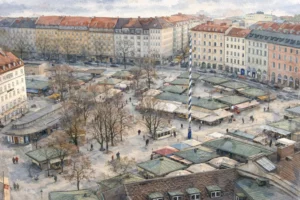
Viktualienmarkt is one of the best places to add local food tasting to an Oktoberfest visit. The open-air market in central Munich is free to enter and is within easy walking distance of Marienplatz, making it practical before a beer-tent reservation, between sightseeing stops, or on the way to Oktoberfest.
Plan for 60–90 minutes for a relaxed market visit, or allow 2–3 hours if you join a guided food tour. Try Bavarian specialties such as Weisswurst, pretzels, Obatzda, roast meats, local cheeses, seasonal fruit, pastries, and regional beer. Individual stall prices vary, but a snack or small tasting commonly costs about €4–€12, while a fuller meal may cost €12–€25 or more.
The market generally operates Monday to Saturday, with many stalls open from around 8:00 to 20:00, although individual vendors set their own hours. Most stalls are closed on Sundays and public holidays. During Oktoberfest, arrive earlier for a calmer visit, carry some cash, and check the opening time of any specific stall you want to visit because holiday schedules can change.
Best plan: visit Viktualienmarkt in the late morning for the widest choice and less crowded browsing, then continue to the festival grounds or explore Munich Old Town. A guided tasting tour can be useful if you want context, several tastings, and help choosing regional foods without planning every stop yourself.
Powered by GetYourGuide
Viktualienmarkt During Oktoberfest: FAQ Guide
Viktualienmarkt is not part of the Oktoberfest fairgrounds, but it is one of the easiest places in central Munich to experience Bavarian food before or after the festival. The market combines food stalls, specialist shops, produce stands, cafés, and casual places to eat, so it works well for visitors who want something more local and flexible than a beer-tent meal.
1. What is Viktualienmarkt, and why visit during Oktoberfest?
Viktualienmarkt is Munich’s central food market in the Old Town, close to Marienplatz and the Church of St. Peter. It is a useful Oktoberfest stop because it offers a broader view of Bavarian eating than the festival grounds alone. You can compare sausages, breads, cheeses, smoked products, pastries, fruit, vegetables, and prepared dishes in one compact area.
The market also gives you a break from the noise and fixed menus of Oktoberfest. You can browse at your own pace, choose a small snack rather than a full meal, or sit down for something more substantial. It is especially convenient on a day when you are combining the market with the New Town Hall, the Residenz, the Asam Church, or a walking route through Munich’s historic centre.
During Oktoberfest, expect a lively atmosphere and more visitors than usual, but the market normally feels less concentrated than the festival grounds. Keep in mind that it remains a working city market, not a themed Oktoberfest attraction. Opening hours, menus, and vendor availability can vary from stall to stall.
2. Where is Viktualienmarkt, and how do you get there?
Viktualienmarkt is located in Munich’s Old Town, a short walk south of Marienplatz. The central location makes it easy to reach by S-Bahn, U-Bahn, tram, or on foot. Marienplatz is usually the simplest landmark for first-time visitors; from there, follow the pedestrian streets toward the market area and the Church of St. Peter.
From Viktualienmarkt to Oktoberfest at Theresienwiese, allow roughly 25–35 minutes on foot depending on your route and walking speed. Public transport can be quicker, but stations and trains may be busy during Oktoberfest. If you have a time-specific beer-tent reservation, leave extra time for security checks, crowds, and finding the correct entrance.
Do not confuse the market with the Oktoberfest grounds. Viktualienmarkt is in the historic centre, while Oktoberfest takes place west of the Old Town at Theresienwiese. A sensible route is to visit the market first, walk through the Old Town, and then take public transport or walk to the festival.
3. What should you eat at Viktualienmarkt during Oktoberfest?
Start with one or two foods that are easy to share. A fresh pretzel is a practical first choice, especially with Obatzda, the creamy Bavarian cheese spread seasoned with paprika, onion, and herbs. Weisswurst is another classic, traditionally served with sweet mustard and a pretzel. It is usually associated with a morning meal, so it is worth checking the vendor’s serving hours rather than assuming it will be available all day.
Other good options include grilled sausages, roast pork, meatloaf-style Leberkäse, local ham, smoked fish, alpine cheeses, potato dishes, and seasonal soups. For something lighter, look for fresh fruit, salads, vegetable dishes, or a small cheese and bread plate. Pastries and cakes are useful if you want a sweet stop without committing to a full meal.
Oktoberfest menus often focus on large portions, so Viktualienmarkt is helpful when you want to sample several foods in smaller quantities. For a longer list of traditional dishes and practical ordering tips, see what to eat at Oktoberfest.
Check food tour prices and availability
4. Is a Viktualienmarkt food tour worth booking?
A guided food tour can be worthwhile if you want to understand what you are eating, try several specialties without guessing, and hear how the market fits into Munich’s food culture. A guide may explain the difference between regional products, point out less obvious stalls, and help with ordering when menus are only in German. This is particularly useful for first-time visitors or anyone with limited time.
The main advantage is structure. Instead of walking around deciding what to buy, you follow a planned route with tastings. The main limitation is that tours run at set times and may include foods you would not personally choose. Check the duration, meeting point, inclusions, dietary policy, group size, and cancellation terms before booking. A tour is not necessary if you prefer spontaneous grazing or already know which foods you want.
For a closer look at how a market tasting fits into a Munich itinerary, use this Viktualienmarkt food tour guide.
View available guided tasting dates
5. How much time and money should you plan for?
For a quick look and one snack, 30–45 minutes may be enough. A more comfortable visit usually takes 60–90 minutes, especially if you want to compare stalls, find a seat, and avoid eating while carrying shopping bags. A guided tour commonly takes longer because it includes several stops and explanations.
Prices depend on the vendor, portion size, ingredients, and whether you are buying a takeaway snack or sitting down for a meal. The figures below are planning estimates rather than fixed prices. Seasonal products, premium ingredients, and special events can cost more.
| Item or activity | Typical planning range | Practical note |
|---|---|---|
| Market entry | Free | You pay only for food, drinks, shopping, or a booked tour. |
| Pretzel or small snack | About €2–€6 | Prices vary by size and toppings. |
| Small tasting or prepared dish | About €4–€12 | Useful when sampling several foods. |
| Full meal | About €12–€25 or more | Portions and seating arrangements differ by vendor. |
| Guided food tour | Varies by date and inclusions | Check what tastings, drinks, and booking conditions are included. |
Bring a payment method that works for small purchases. Many places accept cards, but cash can still be useful, particularly at smaller stalls or during busy periods when card machines or mobile connections are slower.
See current tour options and prices
6. What are the opening hours during Oktoberfest?
Viktualienmarkt generally operates from Monday to Saturday, with many stalls opening around 8:00 and closing around 20:00. These are broad market expectations, not a guarantee for every vendor. Some stalls open later, close earlier, or follow different schedules depending on their products and the season.
Most stalls are closed on Sundays and public holidays. Oktoberfest itself does not make every market vendor stay open longer, so do not assume that an evening festival visit will be matched by a late-night market visit. If a particular butcher, bakery, cheese stall, café, or specialty vendor is important to your plan, check its current schedule directly before travelling.
The best general time to visit is late morning or early afternoon. This gives you a good chance of finding the main food stalls open while avoiding the busiest part of the day. On Saturdays and during major Oktoberfest weekends, the market can become crowded from midday onward.
7. What is the best time to visit Viktualienmarkt during Oktoberfest?
Late morning is usually the most practical choice. You can find breakfast-style foods such as Weisswurst, browse before the largest crowds arrive, and still have enough time to continue to the festival grounds. Arriving around opening time may provide the calmest shopping experience, but not every stall will necessarily be ready at the same time.
Early afternoon works well for lunch, although it is often busier. If you visit then, identify your preferred food first and agree on a meeting point if you are travelling with friends. The market has several paths and open areas, and groups can become separated when people stop at different stalls.
Evening visits can be pleasant for a drink or dinner when selected vendors remain open, but choice may be more limited. For the widest range of products, do not leave the market until the end of an Oktoberfest day.
8. Can you combine Viktualienmarkt with Oktoberfest and Munich Old Town?
Yes. A market-and-Old-Town plan is one of the easiest ways to make an Oktoberfest day feel less rushed. Begin at Marienplatz, walk through Viktualienmarkt, and continue past nearby historic sights before heading to Theresienwiese. This sequence works particularly well if your festival booking is in the afternoon or early evening.
Allow time for walking, photographs, queues, and public transport delays. If you have a reserved table, treat the reservation time as a firm deadline rather than aiming to arrive exactly at the start. The festival grounds are large, and finding an entrance or tent can take longer than expected.
For route ideas and practical Old Town timing, read this guide to Munich Old Town during Oktoberfest. Avoid carrying fragile market purchases into crowded tents unless you have a secure bag and know the venue’s rules.
9. What should visitors know about crowds, seating, and dietary needs?
Viktualienmarkt is an open public market rather than a single restaurant, so seating varies. Some vendors have tables, benches, or nearby places to eat, while others are mainly takeaway counters. During Oktoberfest, expect more people standing with food, especially around lunchtime. If you need a guaranteed seat, consider eating at a dedicated café or restaurant rather than relying on an available market table.
Ask clearly about ingredients if you have allergies. German food names do not always reveal every ingredient, and shared preparation areas may be a concern for severe allergies. Vegetarian choices are generally available, including cheese, bread, salads, vegetable dishes, and pastries, but vegan, gluten-free, and allergen-controlled options can vary. A translation on your phone can help, but it is still sensible to confirm directly with the vendor.
Wear comfortable shoes, keep bags close in crowded areas, and avoid blocking a stall while deciding. If travelling with children, choose a quieter edge of the market for eating and set a clear meeting point. Dogs may be present in public areas, but individual food vendors can have their own policies.
10. What do visitors say about the Viktualienmarkt experience?
Visitor impressions tend to focus on the variety, central location, and freedom to sample small portions. One visitor described it as “an easy place to try several Bavarian foods without committing to a large festival meal,” while also noting that the busiest periods made some stalls harder to approach. That is a useful expectation: the market is flexible, but a little planning helps during Oktoberfest.
Another visitor valued the contrast with the beer tents, saying that the market felt “more relaxed and local, with time to look at the produce and ask questions.” A third visitor appreciated the walk from Marienplatz but advised arriving earlier because “some of the best choices were already busy around lunchtime.” These comments reflect the practical pattern many travellers experience: go earlier for browsing, expect crowds at peak meal times, and choose a few priority foods rather than trying to cover everything.
For current location information and general market details, consult the official Munich Viktualienmarkt information page. Vendor schedules and product availability can change, so use it as a planning reference and confirm details close to your visit.
For broader planning, see the Munich visitor planning guide before deciding how to combine Viktualienmarkt, the Old Town, and Oktoberfest.