
Sydney Whale Watching: 2-Hour vs 3-Hour Cruises Compared
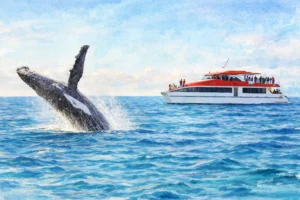
Sydney whale watching cruises give you a choice between a faster 2-hour express trip and a longer 3-hour cruise with more time to search for whales offshore. Both options are designed around seasonal whale sightings, but wildlife is unpredictable, so no cruise can guarantee a close encounter.
Choose the 2-hour cruise if you have limited time, are visiting Sydney on a short itinerary, or want a lower time commitment. Choose the 3-hour cruise if you prefer more time on the water and can manage a longer outing, especially when sea conditions or whale activity require additional searching.
- Duration: approximately 2 or 3 hours, depending on the selected ticket.
- Price: varies by date, departure, ticket type and availability; check the live booking page before paying.
- Availability: seasonal and weather-dependent, with operating dates and departure times shown during booking.
- Meeting point: follow the exact wharf or boarding instructions on your confirmation, as Sydney departure points can vary.
- Included: the selected sightseeing boat cruise; meals, drinks, hotel transfers and other extras should be confirmed against the individual ticket.
- Best practical choice: the 2-hour option for a compact itinerary; the 3-hour option for greater flexibility when finding whales matters more than saving time.
Powered by GetYourGuide
Which Sydney whale watching cruise duration is best?
The 2-hour Sydney whale watching cruise is usually the more efficient choice, while the 3-hour cruise gives the crew more time to travel, search and wait for wildlife activity. The longer option is not a guarantee of sightings, but it provides a larger time window when whales are distant or conditions are unsettled.
| Consideration | 2-hour cruise | 3-hour cruise |
|---|---|---|
| Time commitment | Easier to fit around other Sydney attractions | Uses more of the day and allows less schedule flexibility |
| Wildlife-search time | More limited if whales are far from the harbour | More time for the crew to search and reposition |
| Best suited to | Short stays, families with limited patience, and first-time visitors testing their sea legs | Dedicated whale watchers and travelers comfortable spending longer offshore |
| Value trade-off | Lower time commitment and often a lower fare, subject to live pricing | More time on the water, but not a guaranteed sighting advantage |
For a closer look at the shorter option, see this Sydney 2-hour express whale watching cruise guide. Travelers leaning toward the longer outing can compare logistics in the Sydney 3-hour whale watching cruise guide.
Compare available Sydney whale watching cruise options
What do the tickets include?
Ticket inclusions depend on the selected departure and operator listing, so read the booking panel rather than assuming every cruise has the same benefits. The core product is a scheduled whale watching boat trip; food, drinks, transfers, parking, onboard commentary and any guarantee policy should be checked before purchase.
- Confirm the exact cruise duration shown on your ticket.
- Check whether the fare is for an adult, child, family or another ticket category.
- Review the meeting instructions, boarding time and late-arrival policy.
- Look for cancellation, rescheduling and weather-related terms before checkout.
- Check accessibility information if you use a mobility aid or need assistance boarding.
Some listings may show multiple time slots or ticket conditions under one activity page. Save the confirmation offline so you can find the wharf instructions without relying on a strong mobile signal.
How much should you budget?
There is no dependable single price for Sydney whale watching cruises because fares can change with the date, demand, departure time and ticket category. The live booking page is the reliable place to compare the current 2-hour and 3-hour prices, taxes, cancellation terms and remaining availability.
The 2-hour cruise can offer better practical value when your priority is fitting whale watching between the Sydney Opera House, The Rocks, a harbour ferry or an evening reservation. The 3-hour cruise may represent better time-on-water value for a dedicated wildlife outing, but only if you are comfortable paying for the longer schedule and accepting that sightings remain wild and unpredictable.
Check current dates, fares and ticket conditions
When is the best time to take a cruise?
Sydney whale watching is generally associated with the annual humpback migration, commonly running from around May to November, but the exact operating season and sightings vary by year. Confirm the available dates for your visit and allow flexibility if possible, because wind, swell and wildlife movement can affect the experience.
Morning and afternoon departures both have advantages. A morning trip may leave more room to reschedule later if weather affects operations, while an afternoon departure can work better with accommodation check-out or a morning attraction. The most useful choice is the departure that leaves a buffer before fixed plans, flights or long-distance transport.
For official destination context and seasonal planning information, consult the official Sydney whale watching information.
How do you reach the meeting point?
Use the exact boarding location in your confirmation rather than navigating to a generic “Sydney harbour” pin. Many harbour activities use central wharves that can be reached by train, light rail, bus, ferry, walking or rideshare, but the correct wharf depends on the selected cruise.
- Allow extra time to walk from Circular Quay or another transport interchange to the boarding gate.
- Check the wharf number, check-in deadline and boat name on the confirmation.
- Do not assume a hotel transfer is included unless the ticket explicitly says so.
- Plan for queues, harbour foot traffic and time needed to locate the operator’s check-in staff.
Arriving early is particularly useful for travelers carrying bags, traveling with children or unfamiliar with Sydney’s waterfront layout. Keep luggage to a minimum because storage space on sightseeing boats may be limited.
View the confirmed meeting point before booking
What should you expect on the water?
Expect an active wildlife-search experience rather than a fixed sightseeing route. The boat may travel beyond the harbour entrance, and the crew can change course or slow down when whales, dolphins or other marine activity are reported.
Sea conditions can feel very different from the sheltered harbour. Wear layered clothing, use sun protection and bring water unless refreshments are specifically included. If you are prone to motion sickness, consider advice from a pharmacist before travel and choose a seat with good airflow; follow the crew’s instructions once onboard.
- Keep phones and cameras secure around spray and wind.
- Bring binoculars only if they are comfortable to carry; the crew’s observations remain important.
- Expect periods of travel without visible wildlife.
- Follow viewing rules and avoid blocking other passengers’ sightlines.
- Ask the operator in advance about accessibility, toilets and child suitability.
Who should choose the 2-hour or 3-hour option?
The 2-hour cruise suits visitors with a tightly planned Sydney itinerary, families who prefer a shorter boat trip, and travelers unsure how they will handle offshore conditions. It is also the safer scheduling choice when you have a timed museum visit, restaurant booking or airport transfer later that day.
The 3-hour cruise suits travelers who are making whale watching a main activity and want more time for the crew to search. It is a better fit for photographers and wildlife enthusiasts who accept a longer outing, variable conditions and the possibility that extra time may not produce a sighting.
Neither duration is automatically better. Choose the longest cruise you can enjoy without rushing the rest of your day, and do not book a 3-hour departure solely because it promises guaranteed whales unless the operator’s written terms clearly support that claim.
Choose a cruise length that fits your itinerary
Is advance booking worthwhile?
Advance booking is worthwhile during the main migration period, weekends, school holidays and short Sydney stays because it protects the departure time that works with your itinerary. It is also useful when you need a particular ticket category or want cancellation flexibility.
Leave some flexibility when your plans allow it. Weather and sea conditions can affect departures, and wildlife sightings cannot be scheduled precisely. Before payment, check the operator’s policy for cancellations, rescheduling, minimum numbers and weather disruptions; these terms can be more important than a small difference in headline price.
Compare the available cruise types, departure times and practical trade-offs in this comparison of Sydney whale watching cruises before selecting a ticket.
What can you do before or after the cruise?
Central Sydney departures can often be combined with nearby harbour plans, but keep a generous buffer after the cruise because return time may be affected by conditions and harbour traffic. The Rocks, Circular Quay, the Sydney Opera House precinct and ferry connections are logical additions when your meeting point is in the central waterfront area.
Avoid placing a non-refundable, tightly timed activity immediately after whale watching. If you are building a broader itinerary, use the Sydney destination planning hub to coordinate whale watching with transport, neighbourhoods and other major attractions.