
Empire State Building Tickets: 86th Floor, Prices & Best Time
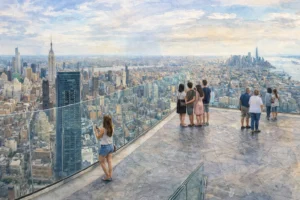
Empire State Building tickets for the 86th Floor give you access to the landmark’s open-air main deck, with views across Manhattan, Central Park, the Hudson River, and the city skyline. Standard tickets are timed, so choosing an entry window matters: daytime is usually best for clear, far-reaching views, while sunset is the most atmospheric and commonly the busiest. Prices vary by date, time, ticket type, and demand; booking ahead is a practical way to secure a preferred slot.
For most first-time visitors, the 86th Floor is the essential experience. The 102nd Floor is an optional upgrade with enclosed, higher-level views, but it is not necessary for a memorable visit. Plan around 60–90 minutes on site, allow extra time at sunset, and check the ticket terms carefully for the specific date and entry time selected.
Powered by GetYourGuide
Empire State Building tickets: FAQ guide for the 86th Floor
This guide focuses on the details that make a difference before booking: what the 86th Floor ticket includes, how timed admission works, the difference between daytime and sunset visits, and how to avoid common planning mistakes.
1. What does an Empire State Building 86th Floor ticket include?
A standard 86th Floor ticket generally includes entry to the Empire State Building’s visitor experience, its exhibition areas, and the 86th Floor Main Deck. The Main Deck is the famous outdoor observatory with high fencing around the perimeter and wide-angle views in every direction. It is the deck most people picture when they think of the Empire State Building.
Before reaching the elevators, visitors typically move through curated displays about the building’s construction, cultural history, and place in New York. The route is designed as part of the attraction rather than simply a queue to the roof, so it is worth allowing time to look around. The outdoor deck is the central reason to visit, especially for photographs of Midtown, Lower Manhattan, and the Chrysler Building.
The 102nd Floor is usually not included with basic 86th Floor admission. It is a separate upgrade or a ticket category that combines both levels. Check the product description at checkout because inclusions, entry slots, and upgrade availability can vary.
Check Empire State Building ticket availability
2. How much do Empire State Building tickets cost?
Empire State Building ticket prices are not fixed at one universal amount. They can change according to the date, the selected entry time, visitor age category, the observatory level, and demand. Sunset and high-demand holiday periods commonly carry a higher price than standard daytime entry. A ticket that includes the 102nd Floor will also cost more than 86th Floor-only access.
The most reliable approach is to compare the total shown for your actual travel date rather than relying on an older advertised starting price. Confirm whether the price includes taxes, whether a sunset supplement applies, and what the cancellation or change policy allows. If a specific evening is important to your itinerary, reserve it early rather than assuming the same time will remain available.
| Ticket consideration | What it usually affects | Useful planning note |
|---|---|---|
| 86th Floor admission | Access to the main indoor/outdoor observatory experience | The classic choice for most visitors |
| 102nd Floor upgrade | Additional enclosed observatory level higher in the building | Best considered if you specifically want the higher viewpoint |
| Sunset entry | Higher demand and, often, a premium | Book early and expect a busier deck |
| Peak dates | Availability and overall price | Weekends, holidays, and school breaks can fill sooner |
3. What is the best time to visit the Empire State Building?
The best time depends on the kind of view and atmosphere you value. For the clearest chance of seeing far across the city, an earlier daytime slot on a bright day is usually the strongest choice. Morning also tends to feel more manageable than the late afternoon, particularly outside major holiday periods.
Sunset is popular because it can combine daylight, golden-hour color, and the city lights coming on. It also requires more patience: the deck can be crowded, people tend to stay longer, and weather conditions can change quickly. If sunset is your priority, arrive at the building with enough time to clear security and the visitor route before the sun begins to set.
View available Empire State Building entry times
- Morning: Often a calmer option, especially for photography and a tighter sightseeing schedule.
- Midday: Good for visibility, though lighting can be harsher in photos.
- Sunset: Best for changing light and skyline atmosphere; usually the busiest period.
- After dark: Ideal for city lights and a less weather-dependent visual experience, although queues can still occur.
4. Do I need to book Empire State Building tickets in advance?
Advance booking is strongly sensible if you have limited time in New York, want sunset, are visiting on a weekend, or are travelling during busy periods. Timed entry helps manage capacity, and the most convenient slots can be unavailable before the day of your visit. Booking ahead also makes it easier to coordinate nearby plans in Midtown.
Same-day tickets may be possible when availability remains, but relying on them can mean accepting a less convenient time or missing the visit altogether. Keep your booking confirmation accessible on your phone, arrive at the stated time, and read the provider’s instructions for late arrival, changes, and cancellations before committing.
See current 86th Floor ticket options
5. Is the 86th Floor or 102nd Floor better?
For most people, the 86th Floor is the better-value and more iconic choice. It has both enclosed viewing areas and an open-air deck, so you can feel the wind, hear the city below, and take unobstructed-style skyline photographs through designated viewing spaces. The outdoor setting is a major part of what makes this observatory distinct.
The 102nd Floor sits higher and is enclosed by large windows. It provides a different perspective and can appeal to visitors who want the highest public viewpoint available inside the building. However, it does not replace the open-air feeling of the 86th Floor. If budget or time is limited, choose the 86th Floor; consider the 102nd only as an extra rather than an essential requirement.
6. How long should I allow for an Empire State Building visit?
Allow about 60–90 minutes from arrival to departure for a typical 86th Floor visit. This estimate includes security, the exhibition route, elevators, time at the deck, and the descent. During busy times, particularly around sunset, two hours is a more comfortable allowance. Visitors taking many photographs or waiting for a change in light may spend longer on the deck.
Do not schedule a non-refundable show, dinner, train, or airport transfer immediately afterward. The timed ticket controls when you can enter, not necessarily the exact minute you will reach the observatory. Build a buffer into your day, especially if travelling with children, a group, or anyone who needs a slower pace.
7. What should I know about weather, clothing, and photography?
The 86th Floor’s outdoor deck is exposed to the elements. Wind can feel much colder at height than it does on the street, even on a mild day, so bring a layer during cooler months. Rain, fog, low cloud, haze, and strong winds can substantially reduce visibility. A rainy booking is not automatically a wasted visit—the building exhibits remain indoors and night views can still be interesting—but distant skyline views may be limited.
For photos, clean your phone lens before going up and secure loose items. Avoid bringing a bulky tripod unless you have confirmed the current policy in advance; observatories commonly restrict equipment that obstructs others or creates a safety issue. A compact camera or phone is usually the simplest choice. Near sunset, stay a little after the sun drops below the horizon if your schedule permits, as the blue-hour transition can be especially photogenic.
8. Is the Empire State Building suitable for families and visitors with accessibility needs?
The attraction can work well for families because the exhibits add context before the observatory and the 86th Floor offers a clear, memorable payoff. For younger children, choose a time when they are rested and avoid making sunset the only possible plan if waiting in crowds is likely to be difficult. Keep in mind that the deck is high, busy at peak times, and outdoors.
Visitors with mobility, sensory, or other accessibility needs should check current access details before booking, including elevator arrangements, entry procedures, restroom locations, companion requirements, and rules for mobility devices. A quieter morning slot may be more comfortable than a sunset visit. Contact the official venue directly for needs that require a specific confirmation rather than making assumptions from a general ticket listing.
Compare dates for a preferred visit time
9. What do visitors commonly say after visiting the 86th Floor?
Visitor experiences often depend on weather, crowd levels, and the chosen time. These representative first-hand review snapshots reflect the practical points people most often mention when describing a visit:
“We chose an early slot and had enough room to take photos without feeling rushed. The open-air deck made the visit for us, and the exhibitions were more interesting than expected.” — First-time New York visitor
“Sunset was beautiful, but it was clearly the busiest time. I would still do it again, just with more time in the schedule and a warmer jacket.” — Weekend visitor
“The 86th Floor gave us the view we wanted. We did not feel we needed the higher upgrade, and seeing the city lights appear after dark was a highlight.” — Returning visitor
The consistent lesson is simple: choose a time that matches your priorities. Morning is often easier for space and efficiency; sunset rewards patience; night is compelling for illuminated city views. For more ideas when organizing an observatory-focused itinerary, see this practical guide to visiting New York.
10. What are the best booking and arrival tips before I go?
Start by selecting the observatory level and time of day you genuinely want, then review the exact inclusions before payment. Save the confirmation, check the arrival instructions, and leave enough time to get to Midtown without rushing. The building is at 20 West 34th Street, close to major subway and rail connections, but street-level congestion can slow taxis and rideshares.
On the day, check the forecast, carry a light layer if visiting the outdoor deck, and avoid bringing unnecessary bags. Be realistic about sunset: it is a sought-after slot, not a quiet one. If a broad, clear daytime panorama matters more than changing colors, a morning ticket is usually the more practical decision.
For current opening hours, accessibility information, visitor policies, and official building updates, consult the Empire State Building official website before travel. If you are comparing New York observation decks, it can also help to weigh the open-air character of the Empire State Building against indoor experiences such as One World Observatory or SUMMIT One Vanderbilt, based on your location and schedule.