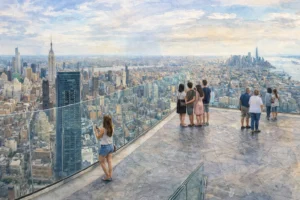

SUMMIT One Vanderbilt Tickets: Prices, Best Time & Booking Guide
SUMMIT One Vanderbilt tickets are timed-entry tickets for an immersive observation experience inside One Vanderbilt beside Grand Central Terminal. Prices vary by date, time, ticket category, and add-ons, so reserving ahead is sensible for sunsets, weekends, school breaks, and holidays. Most visitors should allow about 1.5 to 2 hours for the mirrored rooms, balloon-filled Air space, glass ledges, and skyline views.
For a calmer visit, choose an early weekday entry; for city lights and a more dramatic skyline, book a late-afternoon slot and expect larger crowds. Check the ticket details carefully before paying, especially the entry time, cancellation terms, age rules, accessibility needs, and any included photo or elevator experiences.
Powered by GetYourGuide
1. Do I need to book SUMMIT One Vanderbilt tickets in advance?
Advance booking is strongly recommended, particularly if you have a specific date or want to visit near sunset. SUMMIT uses timed entry, meaning your reservation gives you an arrival window rather than unlimited walk-up access. The most popular slots can become limited well before the day of a visit, especially Friday through Sunday, during Christmas and New Year travel periods, and in spring and summer.
Booking ahead also gives you time to compare the ticket inclusions shown at checkout. Some options focus on general admission, while others may include a guided element, a later entry window, or an add-on. Read the current product description rather than assuming every ticket includes the same experiences.
Check SUMMIT ticket dates and entry times
2. What is included with a standard SUMMIT One Vanderbilt ticket?
A standard admission ticket generally covers entry to the main multi-level SUMMIT experience: the large mirrored environments, panoramic views over Manhattan, interactive installations, and the Air space with reflective balloons. The visit is designed as an immersive attraction rather than a traditional open-air observation deck, so photography, reflections, light, and movement are central to the experience.
Before booking, confirm the listing for the exact inclusions. Optional items and special experiences can change, and some ticket types may have separate conditions. Your confirmation should state the date, arrival time, meeting or entry instructions, and what to show at the venue. Keep the booking confirmation available on your phone, and arrive a little before the assigned time so security and check-in do not reduce your visit.
- Timed entry to the observation experience
- Access to the core immersive mirror and art spaces listed on your ticket
- Manhattan skyline views from the venue’s indoor viewing areas
- Access subject to venue rules, capacity limits, and the booked ticket category
View available SUMMIT ticket options online
3. How much do SUMMIT One Vanderbilt tickets cost?
SUMMIT One Vanderbilt ticket prices are variable rather than one fixed public rate. The amount can rise or fall according to the day, arrival time, demand, visitor age category, and any upgrades included in the booking. Sunset-adjacent times commonly carry the highest demand, while early weekday slots are often the more budget-conscious place to start looking.
Use the displayed total at checkout as the decision point. Check for taxes, service charges, add-ons, and the currency shown before confirming. If traveling as a family or group, compare the total for everyone at once rather than multiplying an advertised from-price; child eligibility and pricing rules can differ by product. A lower headline price is only useful if it matches the time and inclusions you actually need.
| Booking factor | How it can affect price | Practical approach |
|---|---|---|
| Time of day | Late afternoon and sunset periods are often in greater demand. | Compare an early and late slot on the same date. |
| Day of week | Weekends and holidays can be busier than weekdays. | Look at Tuesday through Thursday if your itinerary allows. |
| Ticket category | Upgrades or special inclusions can cost more. | Read the inclusions line by line before selecting. |
| Booking flexibility | Cancellation and change terms may differ by option. | Choose the policy that fits your travel plans. |
See current SUMMIT prices before booking
4. What is the best time to visit SUMMIT One Vanderbilt?
The best time depends on the kind of visit you want. Early weekday entries are usually the easiest choice for people who prefer more room to move, shorter waits at photo points, and a less rushed pace. Daytime brings clear architectural detail across Midtown, the East River, and Central Park on good-weather days.
For a day-to-night transition, aim for an entry that gives you time inside before and after sunset. This is a popular choice because you may see the city in daylight, golden-hour tones, and evening illumination in one visit. It is also the period when crowd levels are often highest. If photographs matter most, note that direct sun, cloud cover, haze, and reflections can affect results; a dramatic sunset is never guaranteed.
- Early weekday: Best for a quieter, more flexible visit.
- Midday: Useful for bright city views and fitting SUMMIT between other Midtown plans.
- Late afternoon: Best chance to experience changing daylight, with more people around.
- After dark: Best for illuminated skyscrapers and a moodier indoor atmosphere.
5. How long should I plan for the SUMMIT experience?
Plan on roughly 90 minutes to two hours from entry through exit. This allows for security, the elevator sequence, time in the mirrored rooms, pauses for photographs, and a relaxed look at the skyline. Visitors moving quickly may finish sooner, while photographers, families, and anyone visiting at a crowded time may want the full two hours.
Do not schedule a tightly timed restaurant reservation, Broadway curtain, or train departure immediately afterward. The experience has multiple spaces and queues can form at popular photo positions. A useful Midtown plan is to leave a 30-minute buffer after your expected exit, particularly if you are heading across town. Grand Central Terminal is close by, which makes SUMMIT convenient to pair with Midtown East sightseeing or transit.
Check entry availability for your itinerary
6. What should I wear and bring to SUMMIT One Vanderbilt?
Comfortable shoes are the practical priority because you will be standing and walking through several environments. Clothing choices matter more here than at many observation decks because the floors and walls are highly reflective. Skirts, dresses, loose garments, and very reflective clothing can feel awkward in mirrored spaces, so shorts, trousers, or layers that make you comfortable are often easier choices.
Bring only what you can manage comfortably. A phone or camera is useful, although flash, tripods, professional equipment, or large bags may be restricted under venue rules. Avoid relying on a large coat or shopping bags if you are visiting after a full day in Manhattan. Check the latest prohibited-items and bag guidance in your booking information before leaving your hotel, because venue policies can change.
- Wear supportive shoes with secure footing.
- Choose clothes you will feel comfortable seeing in full-height reflections.
- Keep your ticket confirmation and photo identification accessible if required.
- Charge your phone and free up storage for photos and video.
- Bring a light layer if it suits the rest of your New York itinerary.
7. Is SUMMIT One Vanderbilt suitable for children, seniors, and visitors with accessibility needs?
SUMMIT can work well for many age groups, though the sensory setting deserves consideration. The mirrored floors, changing light, height, glass features, and busy visual environment may be uncomfortable for people with vertigo, sensory sensitivities, or balance concerns. Children should stay with their adults and follow staff instructions closely, especially around reflective surfaces and viewing areas.
For accessibility, review the current access information for your specific needs before reserving. Elevators and indoor routes may make the experience manageable for many guests with mobility requirements, but it is still important to confirm details such as wheelchair access, companion arrangements, service-animal policy, seating availability, and any sensory or strobe-light considerations. Contact the venue directly in advance if a feature is essential to your visit; this is more reliable than making assumptions from photos or older social posts.
8. What do visitors who have experienced SUMMIT say?
First-hand visitor feedback tends to focus on the contrast between the skyline and the art-like interiors. These experience-based notes are useful for planning expectations, but they are not a substitute for the current ticket terms or venue guidance.
“The mirrors made the space feel much larger than I expected. I was glad I wore comfortable shoes and arrived early, because I wanted time for photos without feeling hurried.” — Weekday morning visitor
“Our late-afternoon entry gave us daylight and the city lights later on. It was busier near sunset, so I would not choose that slot if I wanted a quiet visit.” — Evening visitor
“It felt different from a standard viewing platform: more indoor, more visual, and more focused on the installations. My children enjoyed the balloon room most.” — Family visitor
The consistent planning lesson is simple: choose SUMMIT for its immersive, reflective format as much as for the view. Travelers looking mainly for an open-air deck may want to compare it with another New York skyline attraction before booking.
9. How does SUMMIT compare with Edge, Top of the Rock, and nearby attractions?
SUMMIT stands apart because the journey through immersive rooms is a major part of the ticket. Edge is known for its outdoor deck and dramatic glass-floor experience, while Top of the Rock is often chosen for classic open-air views that include the Empire State Building in the skyline. The right choice depends on the view, atmosphere, weather exposure, and photo style you prefer.
If you only have time for one observation experience, compare the setting before choosing. SUMMIT is particularly suited to visitors who enjoy contemporary installations and indoor reflective spaces. For a detailed side-by-side look at the formats, views, and practical differences, read our SUMMIT One Vanderbilt versus Edge comparison. If your day includes Hudson Yards, the nearby structure may also be relevant; see the practical information on Vessel NYC tickets and visiting.
10. What should I check before booking SUMMIT One Vanderbilt tickets?
Before paying, confirm five details: the calendar date, timed entry, full price, ticket inclusions, and change or cancellation policy. Then consider the rest of your day. SUMMIT is next to Grand Central, making it easy to reach by subway, train, taxi, or on foot from much of Midtown, but New York traffic and station navigation can still take longer than expected. Arrive early enough to clear security and find the correct entrance without stress.
Also check the forecast if your visit is view-focused. SUMMIT is indoors, so rain does not automatically spoil the experience, yet low cloud, fog, or haze can limit long-distance skyline visibility. For the latest venue hours, entry guidance, and visitor policies, consult the official SUMMIT One Vanderbilt website close to your travel date. For broader itinerary ideas after your visit, explore our New York City visitor planning guide.
A practical booking checklist:
- Select a time that matches your preferred crowd level and lighting.
- Read the ticket inclusions and restrictions in full.
- Save the confirmation offline and check the arrival instructions.
- Leave a buffer before any fixed-time plan afterward.
- Review current venue policies again on the day of your visit.